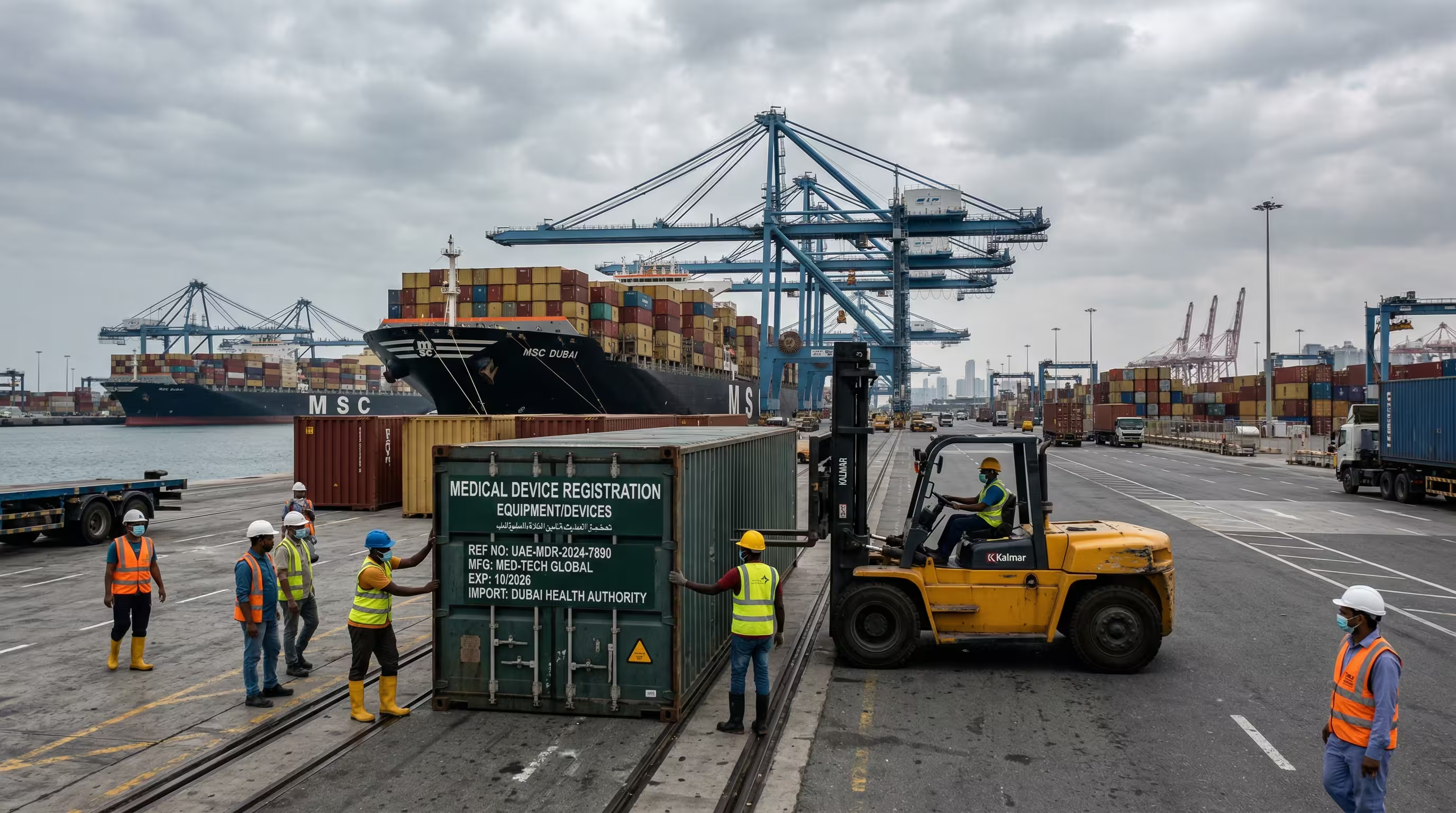

Dubai has rapidly evolved into a global hub for healthcare innovation and medical device businesses, attracting investors and entrepreneurs from around the world. To maintain high safety standards, the UAE government has implemented strict regulations that ensure only approved and compliant medical devices are introduced into the market.
Medical device registration in Dubai is a mandatory requirement for any company planning to import or sell healthcare products in the UAE. Starting a medical device business in Dubai requires a clear understanding of licensing requirements, regulatory approvals, and compliance procedures. Each step plays a critical role in building a legally compliant and credible business foundation.
With the right guidance and knowledge, businesses can avoid unnecessary delays, reduce risks, and ensure a smooth setup process. This blog provides a comprehensive step-by-step guide on how to apply for a medical device business license in Dubai, helping you navigate the process with confidence.
What Is a Medical Device Business License in Dubai?
A medical device business license in Dubai is an official authorization that permits companies to import, distribute, manufacture, or sell medical devices within the UAE. This license is mandatory for any business dealing with products used for diagnosing, treating, or monitoring medical conditions.
However, obtaining the license alone is not sufficient. Businesses must also complete the medical device approval UAE, which is regulated by the Ministry of Health and Prevention (MOHAP). Without this approval, medical devices cannot be legally imported, marketed, or sold in the UAE.
The primary purpose of this licensing framework is to ensure that all medical devices meet strict safety, quality, and regulatory standards. It also enables businesses to operate legally in the healthcare sector while supplying approved products to hospitals, clinics, and other medical institutions.
Difference Between Medical Device License & Registration in Dubai
Many businesses often confuse a medical device business license with medical device registration in Dubai, but both serve different purposes in the UAE healthcare regulatory system.
A medical device business license is issued by the relevant licensing authority such as the Department of Economic Development (DED) or a free zone authority. This license allows a company to legally operate in Dubai and conduct activities such as importing, distributing, or selling medical devices. In simple terms, it gives your business the legal right to operate in the UAE market.
On the other hand, UAE medical device compliance is a regulatory approval issued by the Ministry of Health and Prevention (MOHAP). This process ensures that each medical device meets strict safety, quality, and performance standards before it can be imported, marketed, or sold in the UAE.
👉 In short:
- The business license allows you to operate as a company.
- The product registration allows your medical devices to enter the UAE market legally.
Both approvals are mandatory. Without a valid business license, you cannot establish your company, and without medical device registration, you cannot sell or distribute your products in Dubai or across the UAE.
For this reason, businesses must complete both processes to ensure full compliance with UAE healthcare regulations and avoid penalties or delays in market entry.
Regulatory Authorities Governing Medical Devices in the UAE
The medical device sector in the UAE is strictly regulated to ensure patient safety and product quality. Businesses operating in this industry must comply with guidelines set by key regulatory authorities responsible for licensing, approvals, and ongoing compliance.
All MOHAP medical device approval processes are strictly regulated to ensure product safety and compliance with UAE medical device regulations. The Ministry of Health and Prevention (MOHAP) plays a central role in approving and regulating medical devices across the UAE. It is responsible for the medical device registration process, ensuring that all products meet the required safety and quality standards before entering the market.
In addition, authorities such as the Dubai Health Authority (DHA) and relevant free zone regulators oversee healthcare practices and licensing within their jurisdictions. For mainland businesses, the Department of Economic Development (DED) handles the issuance of trade licenses.
These authorities work together to create a structured regulatory framework that ensures only approved medical devices are imported, marketed, and distributed within the UAE.
Why You Need a Medical Device License in Dubai
Obtaining a medical device business license in Dubai is a mandatory requirement for any company involved in importing, distributing, or selling medical devices. Without this license, businesses are not permitted to operate in the healthcare sector or deal with regulated medical products.
The license ensures that all medical devices comply with strict safety, quality, and regulatory standards established by UAE authorities. This not only protects patients but also enhances trust within the healthcare system.
From a business perspective, having the proper license offers several advantages. It simplifies approval procedures, facilitates smoother customs clearance, and enables partnerships with hospitals, clinics, and healthcare providers. Most importantly, it allows businesses to operate confidently while remaining fully compliant with UAE laws and regulations.
Key Requirements for Medical Device Licensing in Dubai
To obtain a medical device business license in Dubai, companies must meet specific regulatory, technical, and compliance requirements. These criteria are designed to ensure that all medical devices entering the UAE market meet strict safety, quality, and legal standards.
Fulfilling these requirements is essential for a smooth approval process and successful market entry. Below are the key requirements businesses must prepare for:
Dubai Trade License Requirement
A valid Dubai trade license is the foundation for operating any medical device business in Dubai. It legally defines your business activity-such as importing, distributing, or manufacturing-and is required before applying for further regulatory approvals.
Local Authorized Representative (LAR)
For companies based outside the UAE, appointing a Local Authorized Representative (LAR) is mandatory. The LAR acts as an official liaison between the manufacturer and UAE regulatory authorities, ensuring compliance with local laws and handling communication throughout the approval process.
ISO 13485 Certification
ISO 13485 certification confirms that the manufacturer follows internationally recognized quality management standards for medical devices. This certification is essential to demonstrate product safety, consistency, and reliability.
Free Sale Certificate (FSC)
A Free Sale Certificate verifies that the medical device is approved and legally sold in its country of origin. This document plays a crucial role in accelerating the approval process in the UAE, as it establishes the product’s credibility and acceptance in other markets.
Technical Documentation and Compliance
Applicants must submit detailed technical documentation, including product specifications, design details, safety features, and performance data. This information allows authorities to thoroughly evaluate the device before granting approval.
Product Labeling Requirements
Proper labeling is mandatory for all medical devices. Labels must clearly display essential information such as product details, usage instructions, warnings, and manufacturer information. Accurate labeling ensures safe usage and compliance with UAE regulations.
Step-by-Step Process to Apply for a Medical Device Business License in Dubai
Obtaining a medical device business license in Dubai involves a structured process designed to ensure full compliance with UAE healthcare regulations. Following the correct sequence not only simplifies approvals but also helps avoid unnecessary delays or rejections.
The UAE device registration process involves multiple regulatory steps including classification, documentation, and authority review. Below is a step-by-step guide to help you successfully apply for a medical device business license in Dubai:
1. Choose Business Activity and Jurisdiction
Start by defining your business activity, such as importing, distributing, or manufacturing medical devices. Next, select the appropriate jurisdiction-either mainland Dubai company setup or a free zone-based on your ownership preferences, target market, and operational requirements.
Your choice of jurisdiction will directly impact licensing procedures, costs, and future expansion opportunities.
2. Obtain a UAE Trade License
Apply for a UAE trade license that aligns with your selected business activity. This license is essential to legally operate your medical device business and is a prerequisite for further approvals, including regulatory registration.
3. Appoint a Local Authorized Representative (LAR)
If the manufacturer is based outside the UAE, appointing a Local Authorized Representative (LAR) is mandatory. The LAR acts as the official point of contact with UAE authorities and is responsible for handling submissions, approvals, and compliance matters.
4. Register Your Company on the MOHAP Portal
Create a company account on the Ministry of Health and Prevention (MOHAP) portal. This platform is used to manage all medical device registration applications, submit documents, and track approval status.
5. Classify the Medical Device (Class I–IV)
Medical devices must be classified based on their risk level. This classification determines the level of regulatory scrutiny, documentation, and testing required.
- Class I (Low Risk): Basic devices with minimal risk
- Class II (Low to Medium Risk): Devices with moderate usage
- Class III (Medium to High Risk): Devices supporting or sustaining life
- Class IV (High Risk): Critical devices requiring strict evaluation
Higher-risk devices typically require more detailed documentation and rigorous approval processes.
6. Prepare Technical Documentation
Prepare all necessary documents, including product specifications, safety data, ISO certifications, and Free Sale Certificates. These documents are essential for authorities to assess the device’s safety, quality, and performance.
7. Submit Product Registration Application
Submit your application through the MOHAP portal along with the required documentation and applicable fees. Accuracy is crucial at this stage, as incomplete or incorrect submissions can result in delays or rejection.
8. Authority Review and Approval
Once submitted, the authorities will review your application to ensure compliance with UAE regulations. Additional information may be requested during this stage. Upon successful evaluation, the application proceeds to final approval.
9. Receive Registration Certificate
After approval, you will receive a registration certificate. This document allows you to legally import, distribute, and sell medical devices in Dubai and across the UAE.
To complete the process, businesses must also ensure proper medical device registration in Dubai, which is mandatory before any product can enter the market.
Cost of Medical Device License in Dubai
The cost of obtaining a medical device business license in Dubai depends on several factors, including the type of device, business structure, and regulatory requirements.
Key cost components typically include:
- Government application and registration fees
- Product classification charges
- Manufacturer registration fees
- Documentation and compliance review costs
- Testing and certification expenses
- Trade license and setup costs
The overall investment may vary based on the complexity and risk category of the medical device, as well as whether the business operates in a mainland or free zone jurisdiction.
Proper planning and understanding of these costs can help businesses manage budgets effectively and avoid unexpected expenses during the licensing process.
Timeline for Medical Device Registration Approval in Dubai
The timeline for medical device registration in Dubai varies depending on several factors, including the device classification, completeness of documentation, and the review process by regulatory authorities.
In general, low-risk devices are approved more quickly, while high-risk devices require a more detailed evaluation process.
- Class I (Low Risk): Typically approved within 4 to 8 weeks, as they require minimal assessment and basic documentation.
- Class II, III & IV (Medium to High Risk): May take 6 to 12 weeks or longer, due to comprehensive technical, safety, and clinical evaluations.
Delays often occur when submitted documents are incomplete, inaccurate, or require further clarification. Ensuring that all documentation is properly prepared and compliant with UAE regulations can significantly speed up the approval process and reduce unnecessary setbacks.
Start Your Medical Device Business in Dubai with Confidence
Establishing a medical equipment business in Dubai offers significant opportunities in a rapidly growing healthcare market. However, success depends on following the correct procedures-from selecting the right license to completing regulatory approvals and medical device registration in Dubai.
A clear understanding of licensing requirements, timelines, and compliance obligations helps businesses operate smoothly while avoiding delays and legal complications. With proper planning and expert guidance, entering the UAE market becomes more efficient and sustainable.
At Takween Advisory, we support businesses at every stage-from company formation to regulatory approvals-ensuring a seamless and compliant setup process in Dubai’s healthcare sector.
Contact Takween Advisory today to complete your medical device registration in Dubai and get fast MOHAP approval support.